
22 February 2026 | Rev Lopini Inia
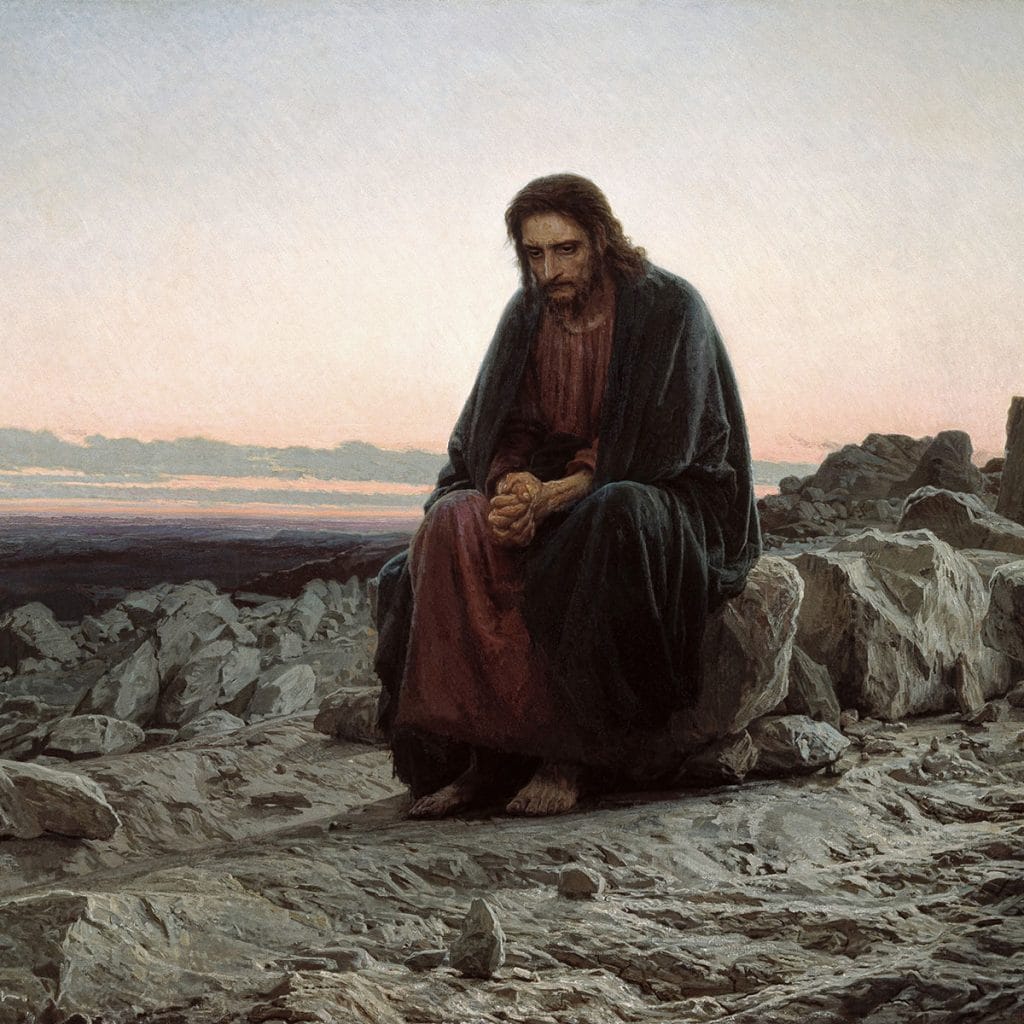
In today’s Gospel reading, it is no accident that Jesus winds up in the wilderness straight after His baptism. He is not lost and he is not being punished for something he has done wrong. He has been led by the Holy Spirit for a purpose – to be tempted or tested – perhaps as proof of his readiness as God’s beloved Son for the mission entrusted to him.
As shown in Matthew’s gospel by the genealogy and birth narrative, and now through his wilderness test, Jesus stands squarely in the long history of the people of God, even as his encounter with the devil points ahead to a future yet to unfold before him.
Throughout the Scriptures, the wilderness represents a place of preparation, a place of waiting for God’s next move, a place of learning to trust in God’s mercy for forty days and nights. Jesus remains in the wilderness without food, getting ready and preparing for what comes next.
Forty is a familiar number in the Old Testament. We may recall –
- Forty days and nights, when Noah and his family endured the deluge onboard the Ark, after which God made a covenant never again to destroy the earth with the floods (Genesis)
- Forty days of Moses, who fasted on Mount Sinai, as he inscribed the words of God (Ten Commandments – Exodus 24:18; Deut 9:9)
- Forty the days and nights Elijah fasted in the desert before receiving a new commission from God (1 King 19:8)
- Forty years the Israelites wondered the wilderness in preparation for their arrival in the Promised Land (Exodus 16:35; Deut 2:7)
And today, forty days of the season of Lent, as Christians participate in Jesus’ ministry and follow his way towards the Cross. How might we make ourselves ready for the way of the Lord in places we are called to be, and to what mission is God calling us, the Church? What is needed for our congregation as a whole, and even individually, to be prepared?
What happens in the wilderness does not stay in the wilderness. Rather, it plays again and again, in the life and ministry of God’s beloved Son. The answers are different on different occasions, but the choices are very much the same.
- Jesus refused to turn stone into bread in the desert
- He refused to take advantage of his relationship with God by hurling himself down from the height of the Temple
- He turned down the devil’s offer of holding political leadership over the kingdom of the world
For us, as followers of Christ and as Christians, temptations are not a one-time ordeal to get through, but they are tests of preparation for the choices we make, as Jesus does in his earthly ministry. He encounters people who are sick, hungry or in need, as well as people who use their connection to power.
The promise of the Gospel is that the one who is “with you always, even to the end of the age (time)” (Matt 28:20) has already gone ahead of his followers, even to the most forsaken places of the wilderness. He meets them in the most difficult tests of their own lives. No place is so desolate, so distant or so challenging that Jesus has not already been there.
We encounter in the wilderness world, which the devil represents in many ways, the cultural pressures in our daily life. How do we respond to every physical and spiritual need? For the followers of Jesus, then and now, these are important questions about how to live out their faithfulness in the realities of daily life empowered by the one who is “Emmanuel, God with us” (Matthew 1: 23).
Lent, a season of praying and fasting and almsgiving.
“Lead us not into temptation but deliver us from evil.”
Amen.